Best Cordless Leaf Blower: How to Choose the Right One for Your Yard
A practical guide to choosing the best cordless leaf blower, covering battery platforms, CFM and MPH specs, weight, run time, and the key trade-offs between models.
Best Cordless Leaf Blower: A No-Nonsense Buying Guide
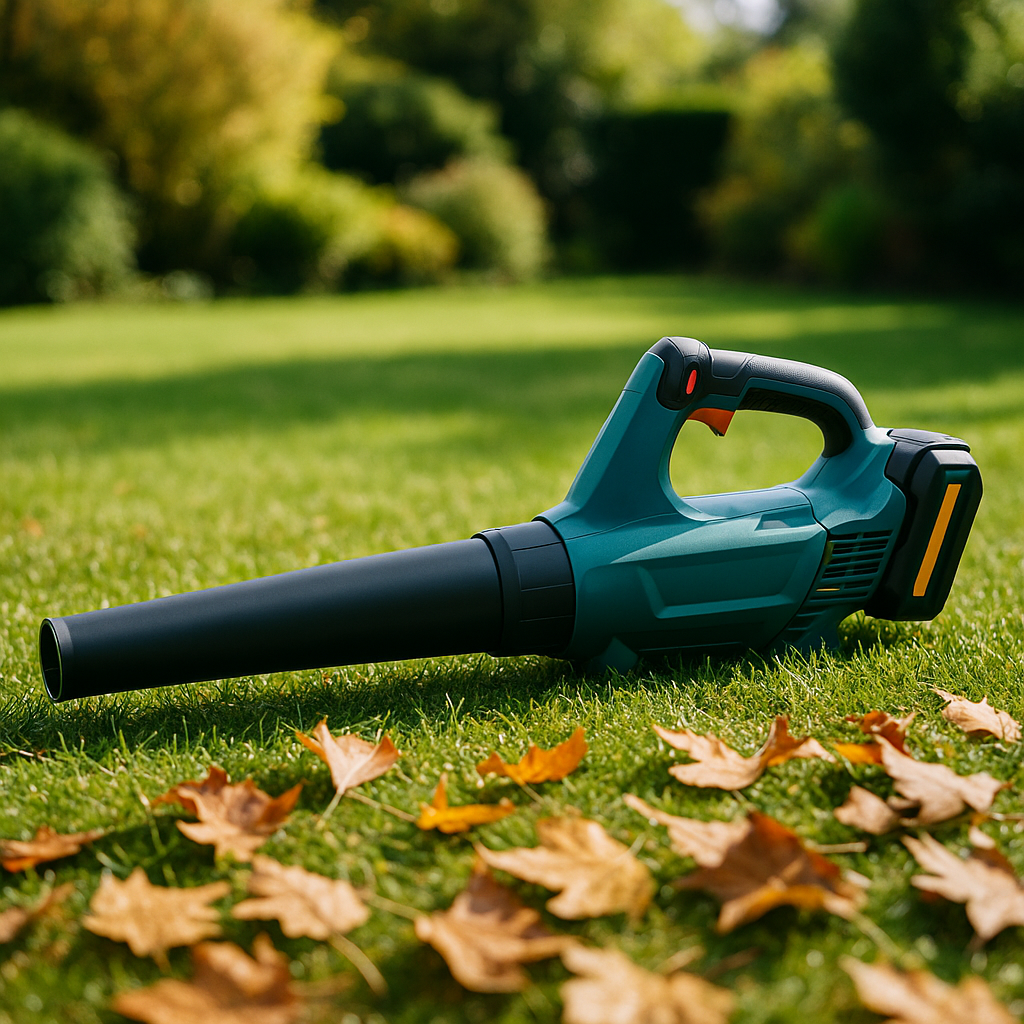
A good cordless leaf blower makes yard cleanup genuinely fast, no extension cord to drag around, no gas to mix, no pull-start frustration. But the market is packed with options ranging from lightweight 20V models you can use one-handed to heavy-duty 60V+ units that rival gas blowers. The difference between a satisfying purchase and a machine that sits in the garage comes down to matching the blower's real-world output to your actual yard. This guide cuts through the spec-sheet noise so you know exactly what to look for.
CFM vs. MPH: The Two Numbers That Actually Matter
Every cordless blower is rated in two measurements: CFM (cubic feet per minute) and MPH (miles per hour). CFM tells you how much air volume the blower moves, higher CFM clears large piles faster. MPH tells you how fast that air travels, higher MPH cuts through wet, compacted leaves and debris. You need both numbers to judge a blower properly, not just one.
For a small-to-medium suburban lot with dry leaves, a blower in the 350, 450 CFM / 90, 110 MPH range (typically 40V) handles the job well. For a larger property, thick leaf loads, or debris on gravel and mulch beds, look for 500+ CFM and 120+ MPH, usually a 56V or 60V platform. Ignore any blower that only advertises one number; that's a red flag for a weak performer.
Battery Voltage and Platform: Why Ecosystem Matters
Cordless blowers run on 20V, 40V, 56V, 60V, or 80V battery systems depending on the brand. The voltage rating is a proxy for power potential, but amp-hour (Ah) capacity determines run time. A 40V / 4.0Ah battery will run significantly longer than a 40V / 2.0Ah pack on the same tool. Most quality blowers in the mid-range ship with 4.0Ah or 5.0Ah batteries, treat anything smaller as underpowered for serious fall cleanups.
The bigger strategic decision is whether you already own tools in a brand's battery ecosystem. DEWALT 20V MAX, EGO 56V, Greenworks 40V/80V, RYOBI ONE+ 18V, and Milwaukee M18 are the most widely sold platforms. If you already own two or three DEWALT 20V tools, adding a 20V blower costs less because you share batteries. EGO's 56V platform is consistently rated the strongest in cordless-only comparisons because EGO designs tools specifically for their battery, no shared compromises with drills or saws.
Weight and Ergonomics: The Spec No One Talks About Enough
A blower you'll actually use is better than the most powerful one on paper. Cordless blowers range from about 4 lbs (lightweight 20V tube-style) to nearly 12 lbs (high-power backpack-style). Handheld models above 8 lbs get tiring after 20, 30 minutes of continuous use. If you have more than a quarter-acre to clear or any mobility considerations, seriously consider a backpack cordless blower, the weight shifts to your back and shoulders, and your arm fatigue drops dramatically.
Also check tube length and nozzle design. A longer tube lets you maintain a more upright posture, reducing back strain. Variable-speed triggers (rather than just high/low switches) give you fine control to avoid scattering mulch out of beds while still blasting a wet leaf pile off the driveway. These ergonomic details separate blowers built for 10-minute jobs from ones designed for hour-long sessions.
Which Category of Cordless Blower Is Right for You?
Top Cordless Leaf Blower Picks by Use Case
Rather than ranking models that change with each product cycle, here are the specs and features to target in each category. For a best overall pick, look for a 56V unit with 530+ CFM, 110+ MPH, variable speed, and a turbine fan design, EGO's LB5804 and comparable Greenworks 80V models consistently score at the top of independent tests. For best value, a RYOBI 40V HP brushless blower (around $130, $150 with battery) delivers 430 CFM and is a strong performer for the price. For the lightest option under 5 lbs, DEWALT DCBL722B (20V MAX) handles quick cleanups without the weight penalty.
Before You Buy: A Quick Decision Checklist
Are cordless leaf blowers as powerful as gas blowers?
High-end 56V and 80V cordless blowers now match or exceed entry-level gas blowers in CFM and MPH. Premium models like EGO's top-tier units hit 580+ CFM, which is competitive with 25cc, 27cc gas blowers. Where gas still wins is sustained run time, a full tank of gas outlasts any single battery, though dual-battery cordless setups are closing that gap.
How long do cordless leaf blower batteries last?
Battery run time depends on voltage, amp-hour rating, and blower speed setting. Realistically, a 56V / 5.0Ah battery gives 25, 35 minutes at max power. Lithium-ion battery packs typically maintain their capacity for 500, 1,000 charge cycles before noticeable degradation, that's 5, 10 years of regular seasonal use for most homeowners.
Can I use my cordless blower to mulch leaves?
A blower alone only moves leaves, it doesn't mulch them. Some brands sell a separate vacuum/mulcher attachment that converts their blower into a leaf vacuum with an onboard mulching impeller. EGO and BLACK+DECKER both offer this. The mulching ratio is typically 10:1, which dramatically reduces the bag volume you have to dispose of.
What's the difference between brushless and brushed motors in cordless blowers?
Brushless motors are more efficient, run cooler, produce more torque per watt, and last significantly longer than brushed motors. For leaf blowers, brushless motors also translate to longer run time per charge. Pay the small premium for brushless, it's worth it, and almost all quality cordless blowers above $100 now use brushless motors.
Is a higher voltage always better in a cordless blower?
Not automatically. Voltage sets the power ceiling, but motor design, impeller quality, and nozzle geometry determine real-world performance. A well-engineered 40V blower can outperform a poorly designed 60V model. That said, for raw power in the same brand's lineup, higher voltage typically means higher output, just don't compare voltage numbers across different manufacturers.